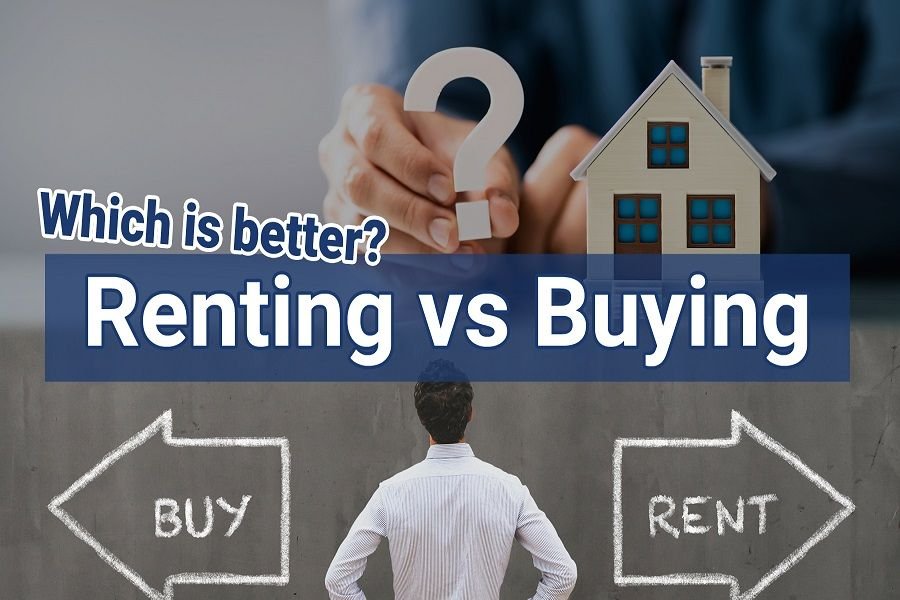
Home, as they say, is where the heart is. Making a housing decision is often an emotional one. You need the agreement of all stakeholders to proceed, if you want to dwell in peace in your now home. Whatever you decide, you need to be able to afford it.
That means the cost of your new home has to fit your budget, if you are not to trade one problem for another – financial pressure and anxiety. If you have an financial goal, the cost need to align with that goal too.
Renting vs buying a home/apartment is a common consideration. Both renting and buying have their own advantages and disadvantages, and which option is best for you will depend on your personal circumstances and financial situation.
RENTING A HOME:
When you rent a home, you pay a monthly rent to the landlord or property manager. Some advantages of renting a home include:
- Flexibility: Renting provides flexibility to move to a new location as per your requirements (lower rent, hostile environment, job transfer, growing family, etc.).
- Low initial cost: Renting a home requires less upfront cost than buying a home.
- No maintenance costs: The landlord is responsible for maintenance and repairs, so you don’t have to worry about unexpected expenses.
- No surprises: You have an idea of how much you are going to spend on housing monthly during the lease period. No extra fees, levies, charges, or unplanned expenses.
However, renting a home also has its disadvantages, including:
- No equity: When you rent a home, you don’t build equity in the property.
- Rent increases: Rent can increase over time (after the expiration of the lease), making it difficult to budget for the long term.
- Restrictions: As a renter, you may have restrictions on what you can do with the property, such as not being allowed to paint or make major renovations, number of occupants, gardening, pets, parties, etc.
BUYING A HOME:
When you buy a home, you purchase the property and are responsible for all associated costs. Some advantages of buying a home include:
- Equity: As a homeowner, you build equity in the property over time, which can be a valuable asset.
- Stability: Owning a home provides stability and the ability to establish roots in a community.
- Tax benefits: Homeowners may be eligible for tax deductions, including mortgage interest and property tax deductions.
However, buying a home also has its disadvantages, including:
- High upfront costs: Buying a home requires a significant upfront investment, including down payment and closing costs.
- Maintenance and repair costs: As a homeowner, you are responsible for all maintenance and repair costs, which can be expensive.
- Market fluctuations: Home values can fluctuate based on the local real estate market, which can impact your ability to sell your home or refinance your mortgage.
A savvy home buyer can offset the additional costs that comes with home ownership by buying a unit that can be configured to take tenants. I know of a home buyer that bought a 2-storey unit, configured each leve into a flat, so that the family occupied the first floor while they had tenants on the secon floor and basement. Their cash flow was such the rental income was more than their expenses, hence turning their home into a source of income.
If you are in town for a year or two, buying may not be an option, unless the property market is such that you can easily sell the property with profit when you leave town. You also have the option of using the appartment as an investment property (vacation rental etc) if there is a market for it.
Renting vs buying a home is a personal decision that depends on your financial literacy level, investment plan, financial situation, lifestyle, and long-term goals. Consider your budget, lifestyle, and future plans before making a decision. If you’re not sure which option is best for you, consider speaking with a financial advisor or real estate professional for guidance.
Photo: realestate-tokyo.com
Leave a Reply
You must be logged in to post a comment.